
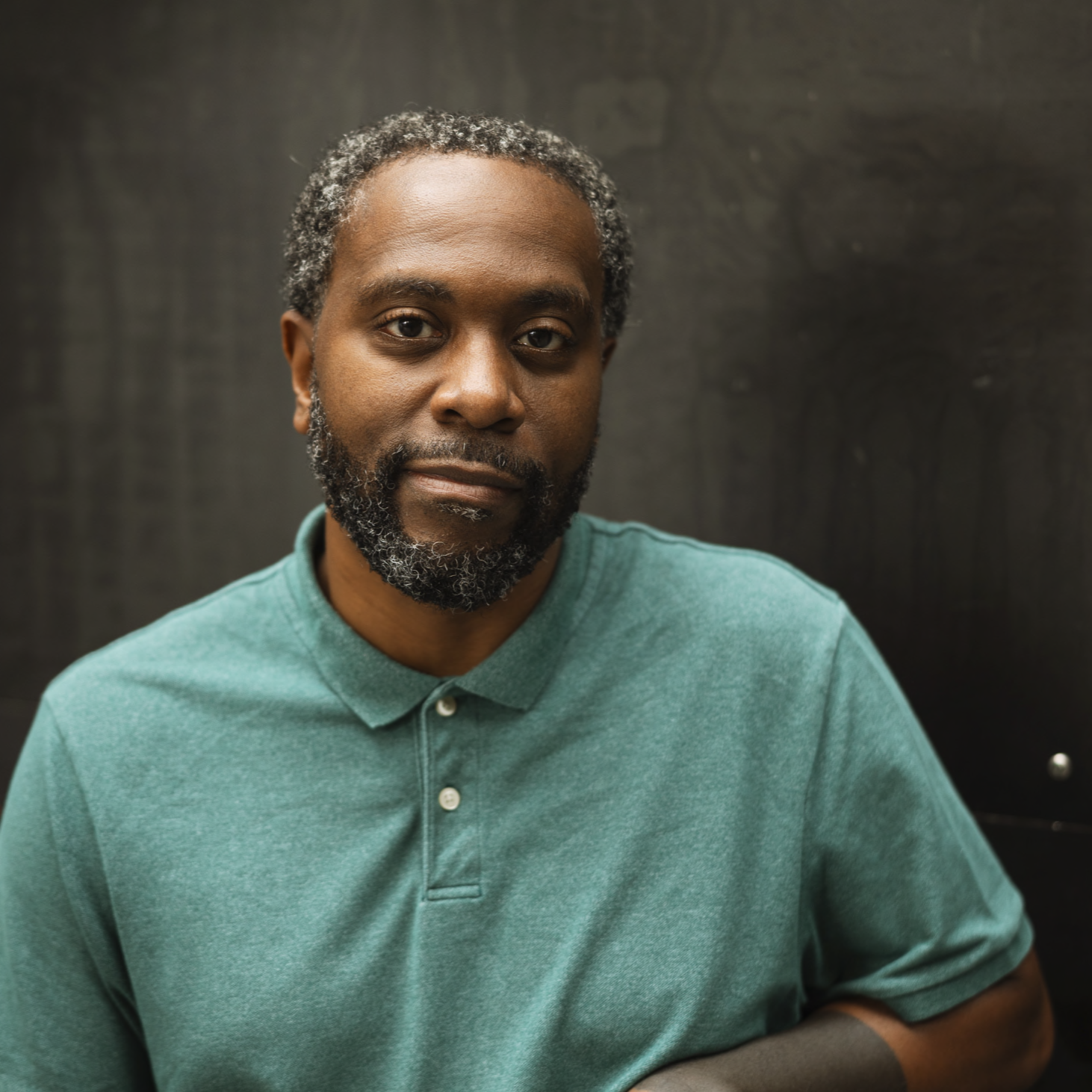
Today’s conversation is with Robin D. G. Kelley, Distinguished Professor and Gary B. Nash Endowed Chair in U.S. History at UCLA. His books include, Thelonious Monk: The Life and Times of an American Original (2009) Hammer and Hoe: Alabama Communists During the Great Depression (1990, 2nd ed. 2015); Freedom Dreams: The Black Radical Imagination (2002, New Ed. 2020); Race Rebels: Culture Politics and the Black Working Class (Free Press 1994); Yo’ Mama’s DisFunktional!: Fighting the Culture Wars in Urban America (1997); Africa Speaks, America Answers: Modern Jazz in Revolutionary Times (2012); and forthcoming Making a Killing: Capitalism, Cops, and the War on Black Life (Henry Holt, 2026). He also co-edited (with Colin Kaepernick and Keeanga-Yamahtta Taylor), Our History Has Always Been Contraband: In Defense of Black Studies (2023); (with Jesse Benjamin), Walter Rodney, The Russian Revolution: A View From the Third World (2018); (with Stephen Tuck) The Other Special Relationship: Race, Rights and Riots in Britain and the United States (2015); (with Franklin Rosemont) Black, Brown, and Beige: Surrealist Writings from Africa and the African Diaspora (2009); (with Earl Lewis) To Make Our World Anew: A History of African Americans (2000); and (with Sidney J. Lemelle), Imagining Home: Class, Culture, and Nationalism in the African Diaspora (1995). Kelley’s articles and essays have appeared in dozens of several anthologies, journals, and magazines, including Hammer and Hope; American Quarterly; African Studies Review; Journal of American History; New Labor Forum; The Nation; New York Times; New York Review of Books; Radical History Review; Transition; Black Scholar; Dissent; Rethinking Marxism; Black Music Research Journal; Callaloo; Black Renaissance/Renaissance Noir; and The Boston Review, for which he also serves as Contributing Editor.
About the Podcast
The Black Studies Podcast (2024-present) is a series of conversations discussing the past and future of the field. In conversation with professors, students, activists, writers, and artists, we explore the meaning of Black Studies and the implications of its critical methods.
Latest posts


Leave a Reply