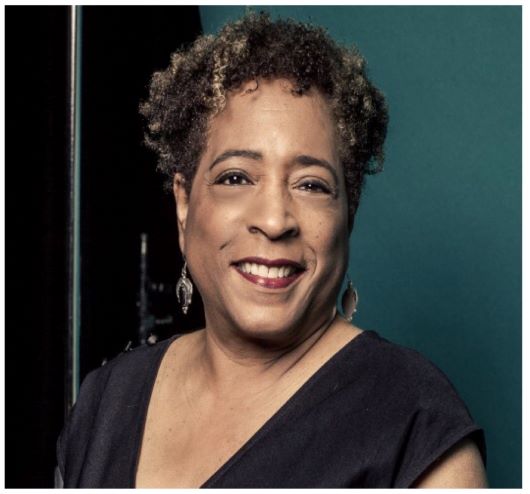
Today’s conversation is with Deborah Gray White, an emeritus Board of Governors Distinguished Professor of History at Rutgers University, New Brunswick, New Jersey. She is author of Ar’n’t I A Woman? Female Slaves in the Plantation South; Too Heavy a Load: Black Women in Defense of Themselves, 1894-1994; several K-12 textbooks on United States History, and Let My People Go, African Americans 1804-1860. In 2008, she published an edited work entitled Telling Histories: Black Women in the Ivory Tower, a collection of personal narratives written by African American women historians that chronicle the entry of black women into the modern historical profession and the development of the field of black women’s history. Freedom On My Mind: A History of African Americans, a co-authored college text, is in its third edition.
As a fellow at the Woodrow Wilson International Center for Scholars in Washington, D.C, and as a John Simon Guggenheim Fellow, White conducted research on Lost in the USA: American Identity from the Promise Keepers to the Million Mom March. She holds the Carter G. Woodson Medallion and the Frederick Douglass Medal for excellence in African American history, and in 2019 was awarded the Stephen A. Ambrose Oral History Award. From 2016-2021 she co-directed the “Scarlet and Black Project” which investigated Native Americans and African Americans in the history of Rutgers University and is co-editor of the three-part Scarlet and Black series that explores this history. In 2024, the Association for the Study of African American Life and History awarded her its Living Legacy Award for her work in establishing the field of African American women’s history. She is currently at work on an autobiography, tentatively titled “Winning Against Ugly: A Black Historian’s Tale of Love, Loss, and the Historical Profession.”


Leave a Reply